Current & Featured
Research
My current focus is building the field of relational computing, which examines how human relationships and technology (especially AI) affect each other.
 Currently building
Relational Computing
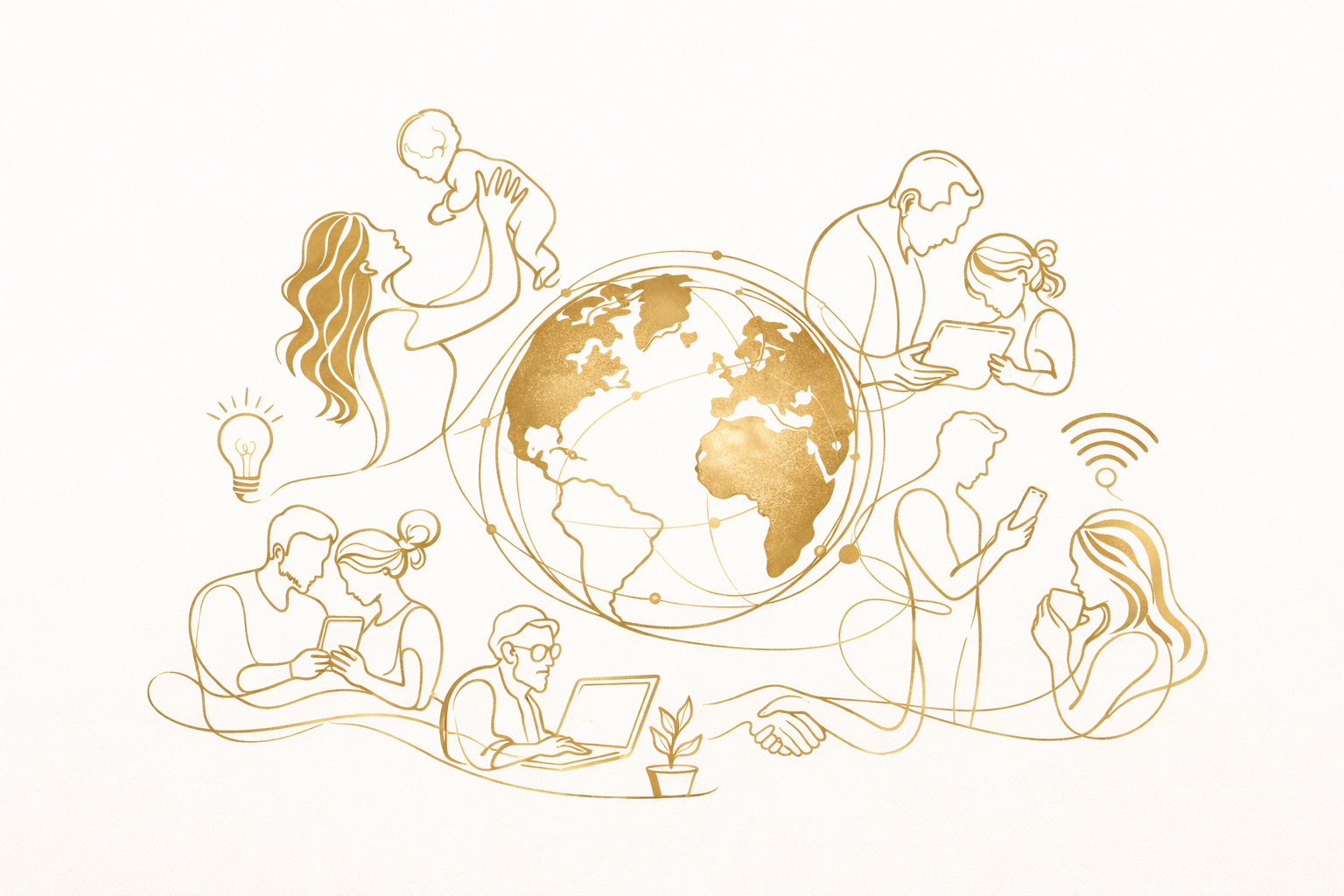
Currently building the field of relational computing, which examines how human relationships and technology affect each other. For example: disappearing dialogues led to the creation of Snapchat, while people forming relationships with AI chatbots has dramatically changed their human relationships.
Currently building
Relational Computing
Currently building the field of relational computing, which examines how human relationships and technology affect each other. For example: disappearing dialogues led to the creation of Snapchat, while people forming relationships with AI chatbots has dramatically changed their human relationships.
 Award-winning · Published
Memories, Wellbeing, and Loneliness
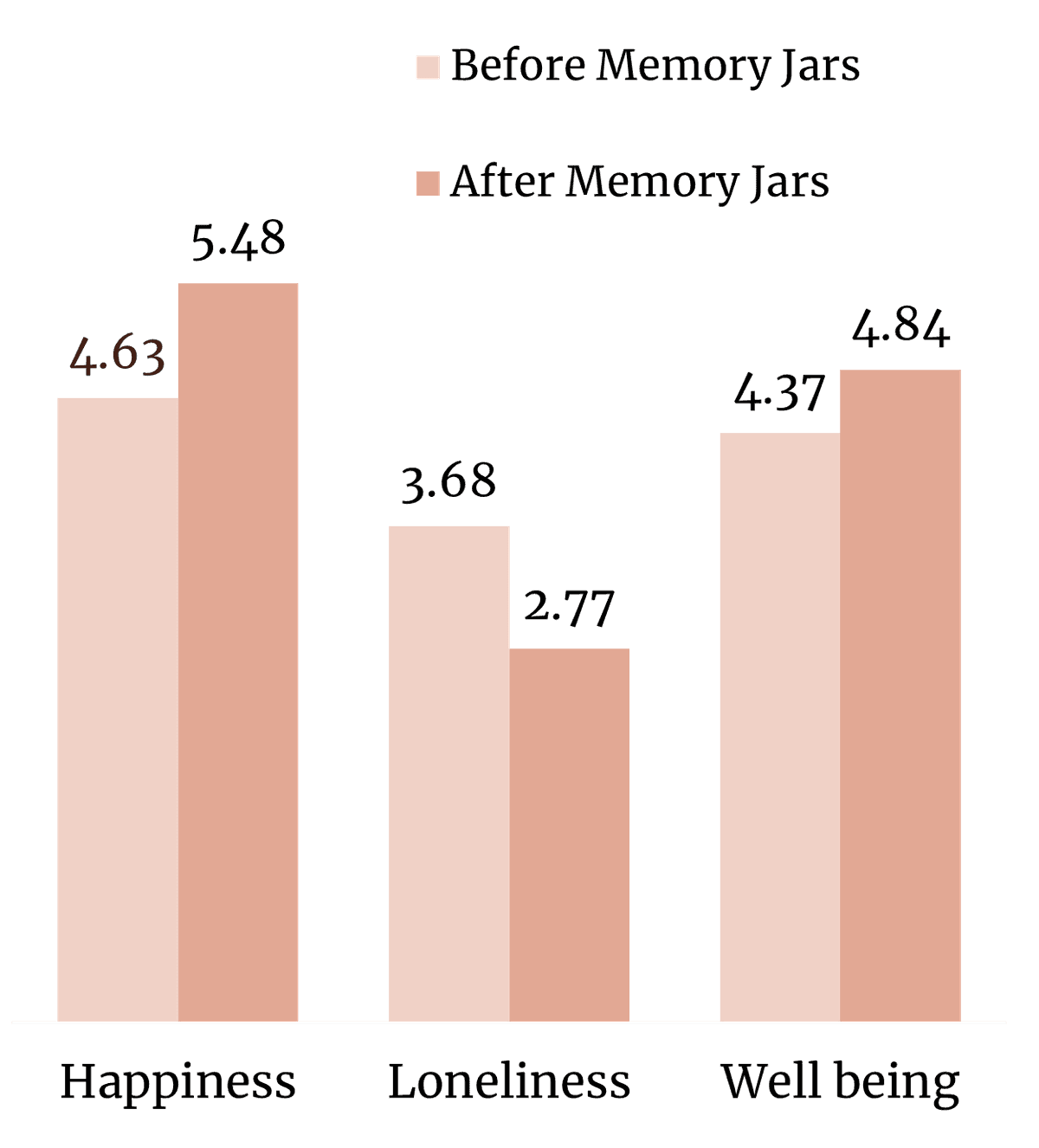
Award-winning Princeton psychology research on "Underappreciated benefits of reading own — and others' memories." Won the Edward Jones Memorial Prize. Research showed that even 5 minutes with memory jars significantly improved wellbeing and connection. Published in Social Cognition.
Read more →
AI Intimacy & Human Relationships
30 million+ people have formed relationships with AI. I've been thinking a lot about what that means for our relationships with other humans, and about love in general.
Read more →
Food Sustainability & AI Data Processing
Analyzing 600+ global food sustainability initiatives. Building AI-driven processing chains for large-scale qualitative research at the Paris Institute for Advanced Study.
Read more →
Award-winning · Published
Memories, Wellbeing, and Loneliness
Award-winning Princeton psychology research on "Underappreciated benefits of reading own — and others' memories." Won the Edward Jones Memorial Prize. Research showed that even 5 minutes with memory jars significantly improved wellbeing and connection. Published in Social Cognition.
Read more →
AI Intimacy & Human Relationships
30 million+ people have formed relationships with AI. I've been thinking a lot about what that means for our relationships with other humans, and about love in general.
Read more →
Food Sustainability & AI Data Processing
Analyzing 600+ global food sustainability initiatives. Building AI-driven processing chains for large-scale qualitative research at the Paris Institute for Advanced Study.
Read more →